From 6 to 10 July 2026, Peking University Shenzhen Graduate School hosted the 2026 International Summer Camp –Explore the Future, Embrace the Greater Bay Area. As one of the featured sub-programmes, the School of Electronic and Computer Engineering (SECE)organized a series of academic and cultural activities, including school and programme introductions, laboratory visits, keynote lectures, faculty-student interactions, group discussions, and campus experience sessions.
Students from the United Kingdom, France, Russia, Morocco, Mongolia, Brazil, Indonesia, Turkmenistan, Hong Kong SAR (China), and other countries and regions participated in the programme, gaining first-hand experience of SECE's research environment and innovation ecosystem.
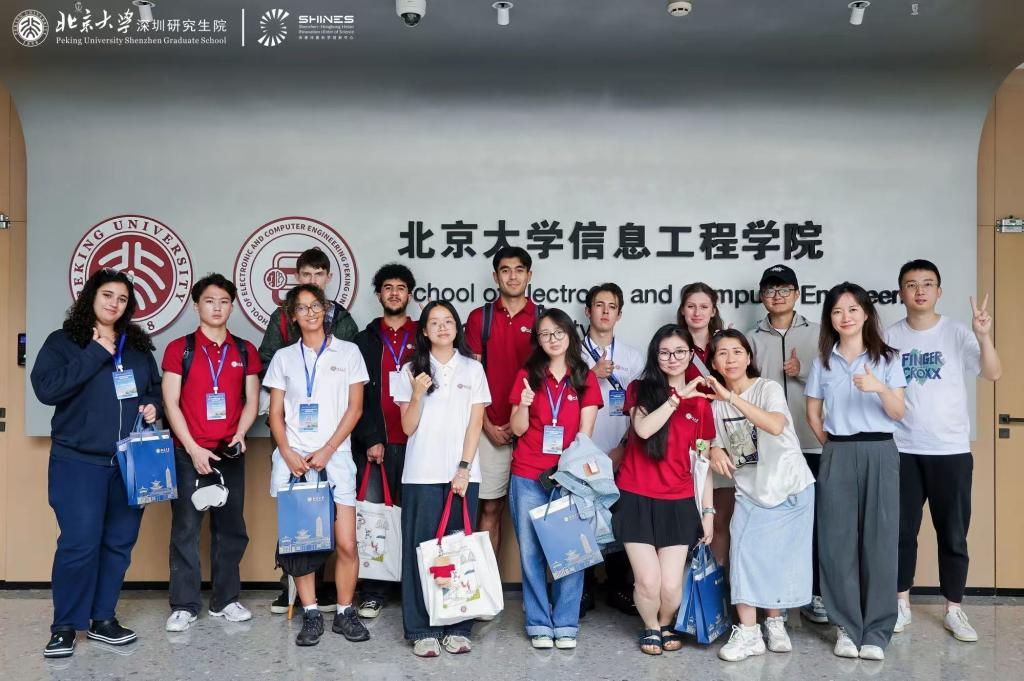
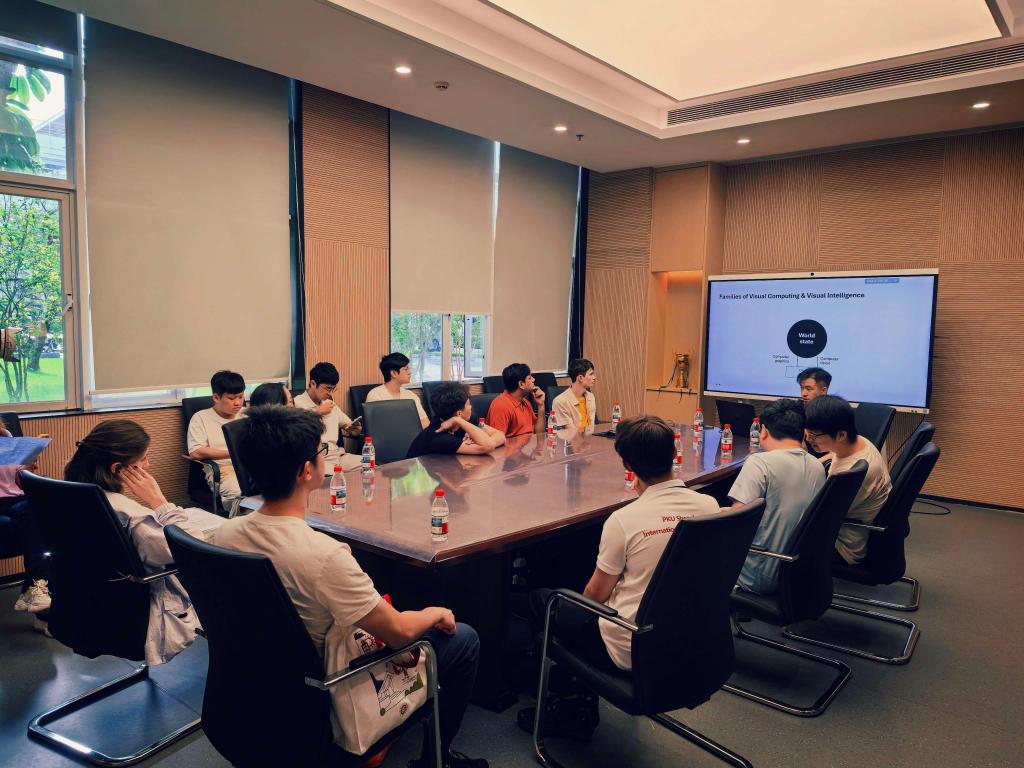
International students visit SECE during the 2026 International Summer Camp.
Discovering SECE's Academic Strengths
The SECE programme officially opened on the afternoon of 7 July. Associate DeanDan Haowelcomed the participants with an introduction to the School's history, disciplinary development, faculty, and talent cultivation system. The presentation highlighted SECE's commitment to interdisciplinary innovation and its strengths in information science and engineering. Subsequently, Associate DeanQian Li, Tenured Associate ProfessorWeichang Gao, and Assistant ProfessorQingyu Liuintroduced the School's three academic disciplines:
Integrated Circuit Science and Engineering
Computer Science and Technology
Low-Altitude Intelligent Communication Technology and Engineering
The sessions provided participants with an overview of each discipline's research focus, faculty expertise, and educational programmes, helping prospective students better understand the academic opportunities available at SECE.
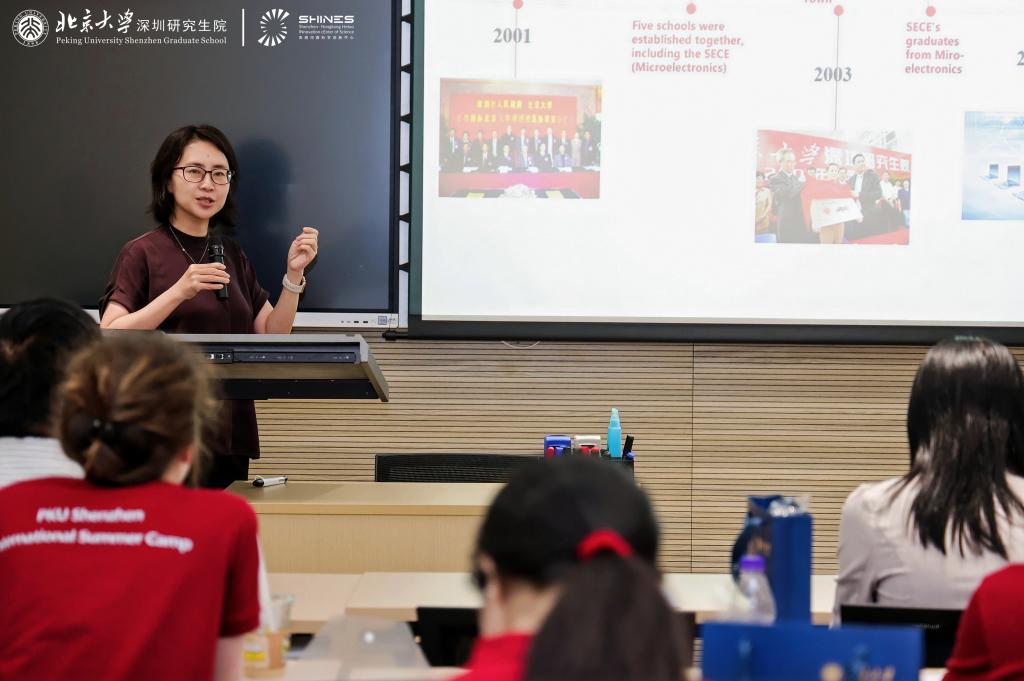
Associate Dean Dan Hao introduces SECE.
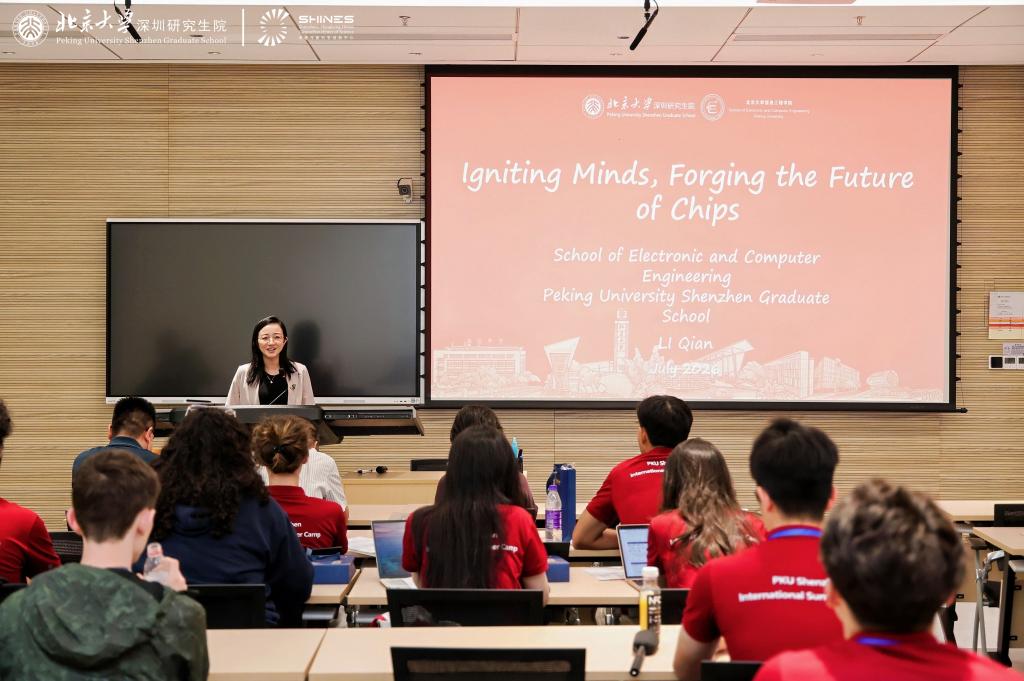
Associate Dean Qian Li introduces Integrated Circuit Science and Engineering.
Experiencing Frontier Research Through Laboratory Visits
Participants visited two Guangdong Provincial Key Laboratories, where they explored some of SECE's latest research achievements. At theUltra-HD Immersive Media Technology Laboratory, students experienced applications of emerging digital technologies, including CBA game 3D reconstruction, AI-generated content (AIGC), and immersive interactive systems, demonstrating how digital technologies are transforming cultural and sports industries. The visit to theComputing-in-Memory Chip Laboratory introduced participants to the evolution of chip technologies and key semiconductor manufacturing processes, providing insight into current challenges and future directions in integrated circuit research.
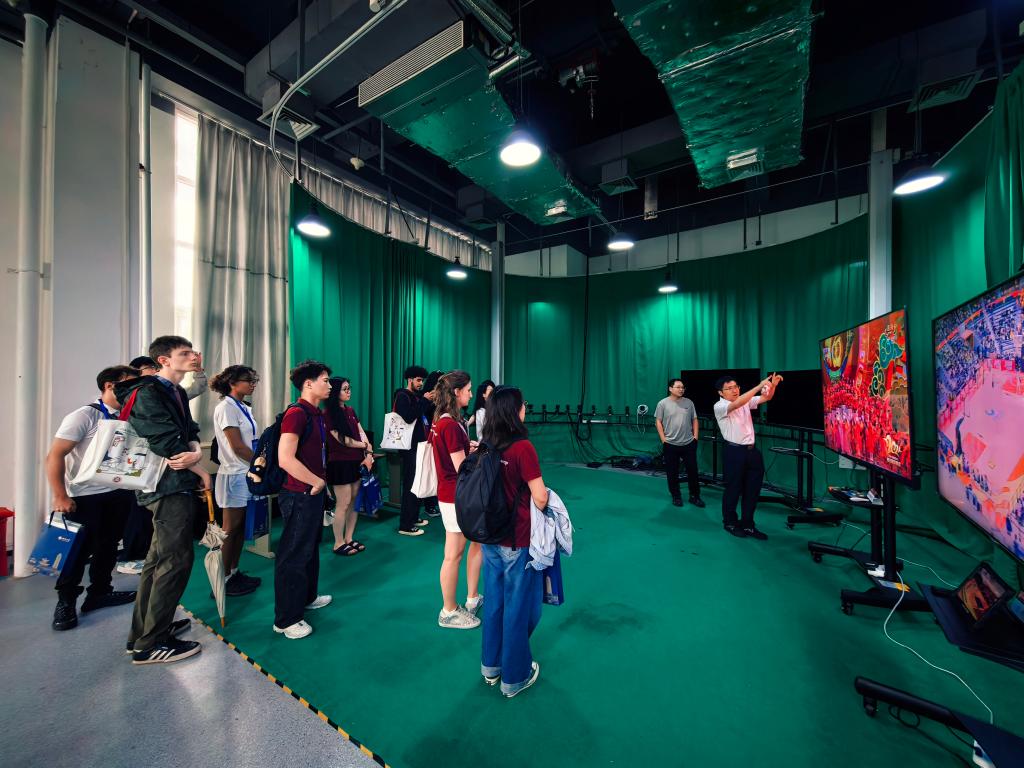
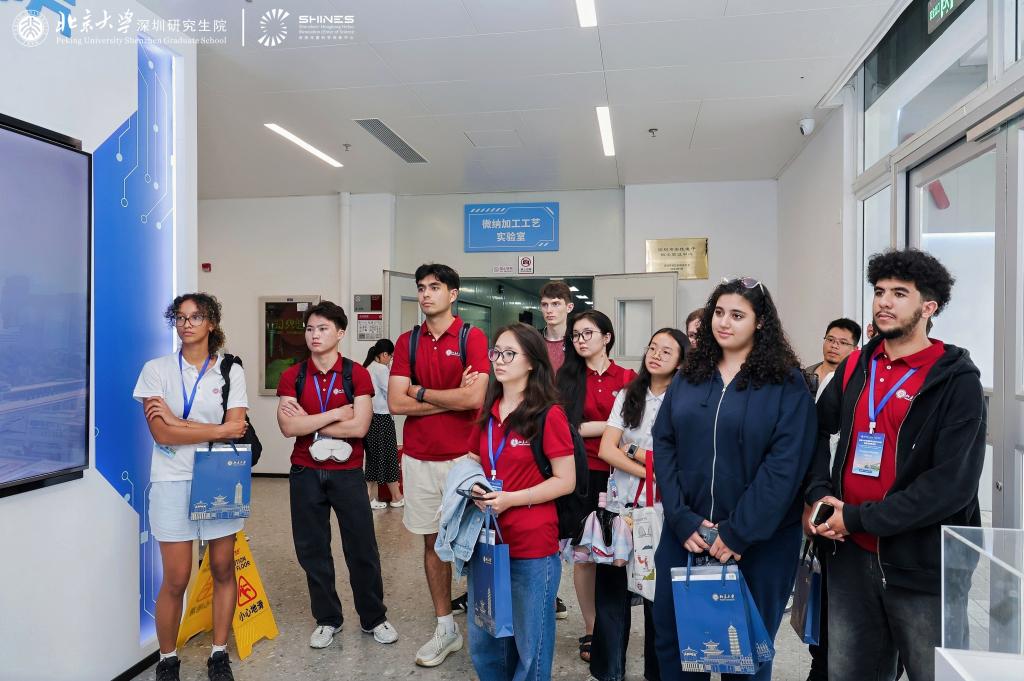
Participants visit Guangdong Provincial Key Laboratories and experience cutting-edge technologies.
Exploring Spatial Intelligence and Artificial Intelligence
Assistant ProfessorFangcheng Zhongdelivered a keynote lecture entitled "Spatial Intelligence as the New Interface to the World." Using examples includingThe Lion King, he illustrated how AI-powered visual technologies are reshaping film production by bridging physical and virtual worlds. Demonstrations of highly realistic AI-generated videos sparked lively discussions and active participation during the Q&A session.
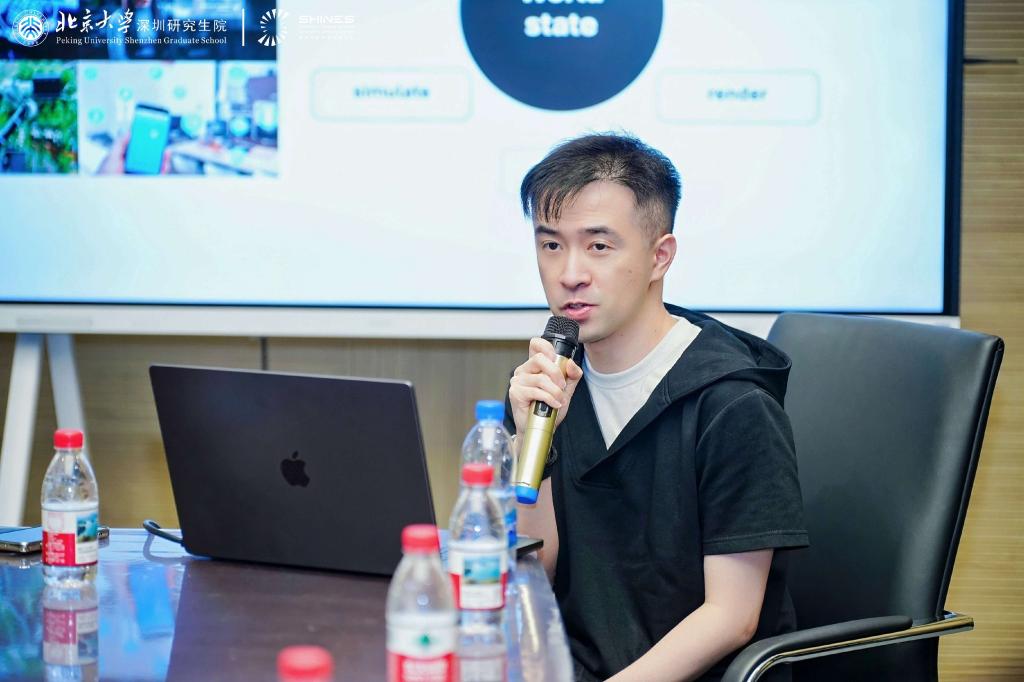
Assistant Professor Fangcheng Zhong delivers a keynote lecture on spatial intelligence and AI.
Connecting with Faculty and Students
Throughout the programme, participants met with prospective supervisors to learn about ongoing research projects and discuss future academic opportunities.
SECE also organized group discussions on topics including cross-cultural learning, the impact of artificial intelligence on education and everyday life, and future career development. Students from diverse cultural backgrounds exchanged ideas, broadened their perspectives, and built meaningful academic connections.
Outside the classroom, interactive games and networking activities created opportunities for participants to get to know one another in a relaxed setting, fostering friendships across cultures.
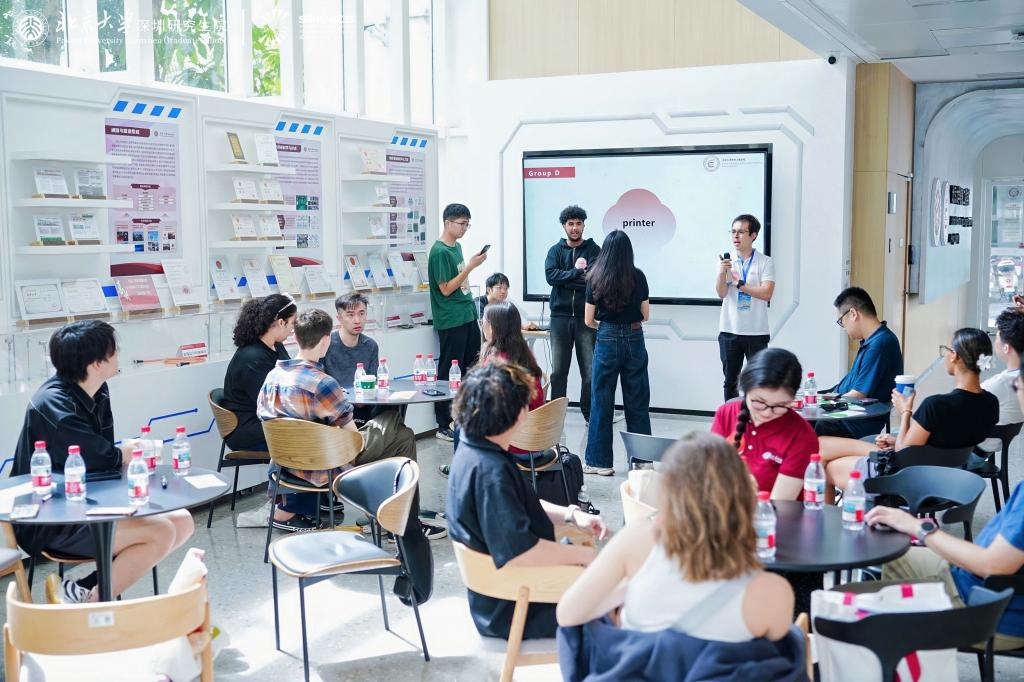
Students participate in group discussions.
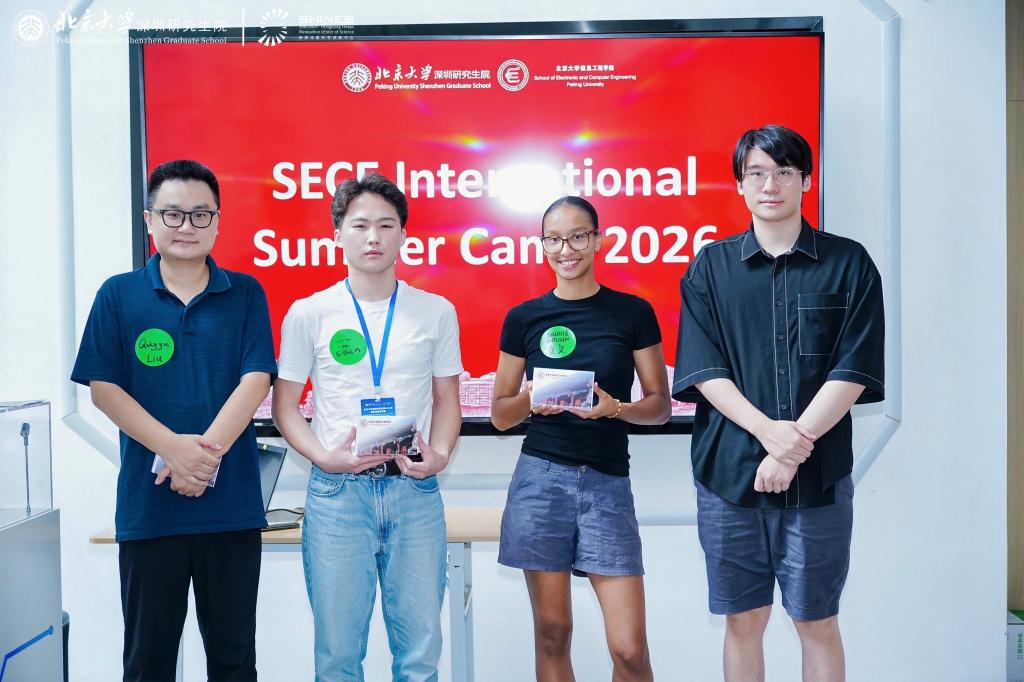
Participants meet with SECE faculty members.
Learning from the PKU Shenzhen Community
Members of the PKU Shenzhen community also shared their academic and campus experiences with the participants. Dr. Hassnain, a postdoctoral researcher from Pakistan, introduced his research journey at PKU Shenzhen and reflected on the University's supportive academic environment and vibrant campus culture. Graduate student Peng Xinlin shared daily life on campus from a student's perspective, offering participants a glimpse of studying and living at PKU Shenzhen through stories of morning reading by Jinghu Lake and evenings spent in the library.
Dr Hassnain and Graduate student Peng Xinlin share his research experience and campus life at PKU Shenzhen.
Looking Ahead
Over the course of the programme, participants gained a deeper understanding of SECE's academic strengths, research facilities, and international learning environment. The Summer Camp not only introduced students to cutting-edge developments in information technology but also created valuable opportunities for academic exchange and cross-cultural friendship.
SECE remains committed to expanding international engagement and welcomes outstanding students from around the world to join its diverse academic community.